Copper Plate-type Grounding Materials: Effective Contact In High-resistivity Soil
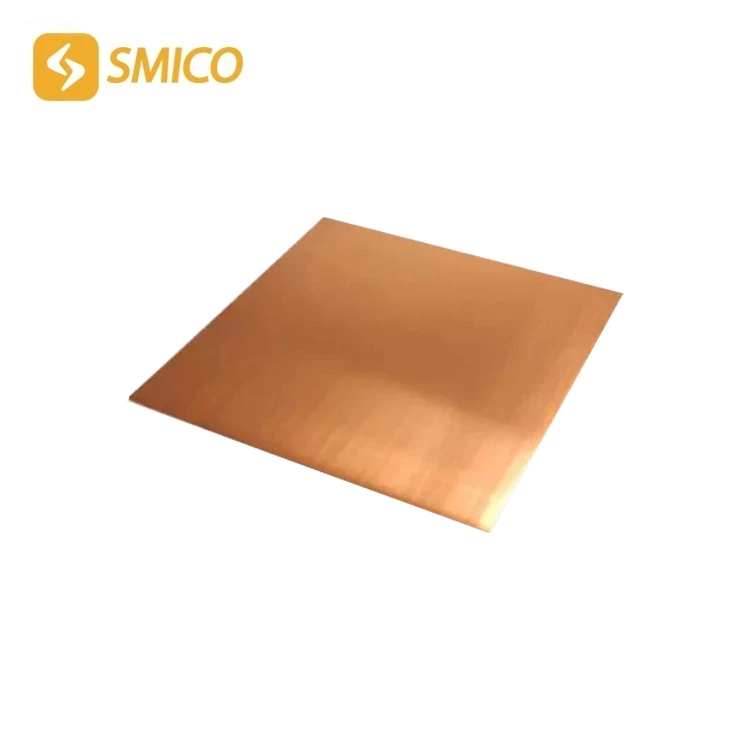
Earth electrode resistance drops when conductor surface exposure expands across high soil resistivity zones. Copper plate-type grounding materials establish extensive perimeter contact with dense strata, spreading fault current dissipation across large lateral paths to prevent hazardous step potential spikes.
Resistance Mitigation in Rocky Strata
Thin planar geometries create lower earth plate electrical resistance than slender rods inside shallow bedrock. Where vertical driving encounters solid granite, flat metallic boundaries maintain unbroken physical contact through surrounding conductive backfill compounds without needing deep drilling equipment.
Mechanical Current Dispersal Factors
-
Surface Boundary Dissipation: An earth copper plate size offering wide square footprints produces broad hemispherical current paths. This configuration distributes energy across expansive perimeter margins, restricting localized ground heating during sudden voltage surges.
-
Resistivity Buffer Stabilization: Moisture naturally accumulates along horizontal metal planar boundaries underneath compacted soil. This interface preserves low contact resistance through dry seasons without relying on chemical additives or frequent system watering cycles.
Geometric Selection and Stratified Earth
Selecting a proper copper plate size for earthing depends on fault current magnitude alongside local geological constraints. Standard rectangular dimensions balance substantial physical contact with manageable trench excavations across rocky terrain.
| Conductor Profile | Surface Exposure Area | Installation Depth | Soil Suitability |
|---|---|---|---|
| Solid Metal Plate | Extensive Two-Sided | Shallow Trench (0.8m - 1.5m) | Bedrock, Sandy Strata |
| Standard Vertical Rod | Limited Cylinder Outer | Deep Driven (3m - 6m) | Soft Clay, Loam Layers |
Placement Methodology for Rocky Sites
-
Trench Preparation: An earthing copper plate installation requires burying elements at least one meter underneath local frost depths. Vertical plate orientation facilitates even backfill compaction on opposite sides while saving labor across narrow rock cuts.
-
Exothermic Bonding: Solid conductor cables secure directly onto perimeter edges through permanent metallurgical welds. This joint methodology prevents galvanic degradation between disparate metallic paths inside damp subsoil environments over decades.